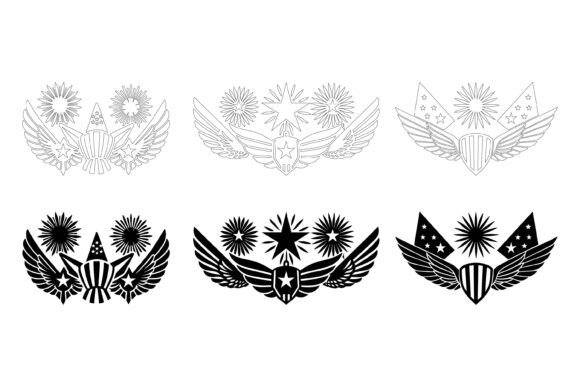
Heraldic Coat of Arms: Evaluating Digital Illustration Collections for Creative Projects
Heraldic coat of arms designs carry centuries of symbolic tradition, representing family lineages, institutions, and cultural identities through carefully composed visual elements. From shields and crests to mantling and motto banners, each component follows established conventions that trace back to medieval Europe. Today, designers, educators, genealogists, and business owners regularly seek high-quality heraldic illustrations for a wide range of applications—from branding and publishing to educational materials and personal projects. Digital illustration collections, particularly those offered in versatile vector formats, have become a practical resource for accessing these traditional designs without commissioning custom artwork from scratch.
If you are evaluating whether a heraldic coat of arms illustration set aligns with your needs, several factors deserve careful attention. File compatibility, editability, design quality, and intended use all play significant roles in determining whether a given collection will serve you well. This article examines what makes these digital resources useful, where they excel, and when alternative approaches might better suit your situation.
Understanding What AI EPS Heraldic Collections Provide
At their core, heraldic illustration collections in AI (Adobe Illustrator) and EPS (Encapsulated PostScript) formats offer scalable, resolution-independent graphics built around traditional coat of arms motifs. These typically include shield shapes, heraldic animals like lions and eagles, crest elements, ribbon banners, decorative flourishes, and symbolic charges such as stars, crosses, and fleur-de-lis. Because they are vector-based, the illustrations maintain crisp edges at any size, making them suitable for everything from small app icons to large-format printed displays.
Collections designed with organized file and layer structures allow users to isolate individual elements, move components around, and combine pieces from different heraldic traditions. This modular approach means you are not locked into a single fixed composition. Instead, you can assemble a customized coat of arms that reflects specific symbolic requirements or aesthetic preferences. The inclusion of JPG preview files alongside the editable vectors can also streamline the browsing and selection process before committing to detailed edits.
Why Designers and Content Creators Turn to Heraldic Illustrations
Interest in heraldic coat of arms imagery extends well beyond historical reenactment groups. Graphic designers incorporate heraldic elements into logo concepts, particularly for brands seeking an air of tradition, authority, or old-world craftsmanship. Educational publishers use coat of arms illustrations in history textbooks and learning resources to visually explain medieval social structures and symbolism. Event organizers draw on heraldic motifs for invitations, certificates, and decorative signage at formal gatherings. App developers integrate simplified heraldic icons into user interfaces for games, genealogy platforms, or fantasy-themed software.
The practical appeal of a ready-made illustration set lies in the time it saves. Rather than researching heraldic rules, sketching multiple shield variants, and building vector files from an empty canvas, a designer can start with professionally constructed components and adapt them as needed. For those working under tight deadlines or with limited illustration budgets, this can make the difference between including rich visual elements and settling for something simpler.
Evaluating Quality, Consistency, and Detail
Not all heraldic illustration collections are created with equal care. Perfection in details and consistency across a set matters enormously when you are combining elements from within the same collection. Inconsistent line weights, mismatched stylistic approaches, or varying levels of ornamentation can produce a disjointed final composition that appears assembled from unrelated sources. High-quality collections maintain uniform stroke styles, cohesive color palettes, and proportional harmony so that a lion rampant from one file looks at home beside a shield shape from another.
Another hallmark of a well-crafted set is the attention paid to traditional heraldic conventions. While many modern projects take creative liberties with heraldic rules, having a foundation that respects tincture guidelines, proper animal attitudes, and authentic shield proportions provides greater flexibility. You can always simplify or stylize a traditionally accurate design, but correcting fundamental inaccuracies in a poorly researched illustration often requires rebuilding it entirely.
Practical Benefits of Cross-Platform Compatibility
Illustration collections that are designed for both Mac and Windows users remove a common friction point in collaborative environments. Design teams frequently operate across different operating systems, and file formats that open reliably on both platforms prevent workflow disruptions. AI and EPS formats generally enjoy broad support across major vector editing applications, including Adobe Illustrator, CorelDRAW, Affinity Designer, and open-source alternatives like Inkscape. Before purchasing any collection, confirming that your preferred software can fully interpret the files—including layer structures, gradient fills, and text elements—can save considerable frustration.
Editability and Customization: What to Realistically Expect
The ability to edit, change colors, and modify icons easily is frequently highlighted as a key advantage of vector illustration sets. In practice, the ease of customization depends on both the construction of the original files and your familiarity with vector editing tools. Well-organized files group related elements on clearly named layers, use straightforward clipping masks, and avoid unnecessarily complex path structures. This allows you to select a shield, adjust its hue, swap out a charge, or resize a crest without untangling hundreds of unlabeled paths.
However, even the best-organized files require some learning investment if you are new to vector editing. Changing colors is generally straightforward, but significantly altering the shape of a heraldic beast or redrawing a complex mantling pattern may demand intermediate skills. Setting realistic expectations about the learning curve helps you decide whether a ready-made collection or a custom commission better fits your capabilities and timeline.
Applications Across Print, Web, and Digital Media
Heraldic coat of arms illustrations find homes in remarkably diverse contexts. For print applications, vector files ensure that letterheads, embossed certificates, book covers, and large banners reproduce with sharp detail regardless of output size. For web and screen use, the same vector assets can be exported as SVG or PNG files at precise resolutions, keeping file sizes manageable while maintaining visual quality. Symbols derived from heraldic elements can serve as app icons, infographic markers, and user interface accents, bringing a distinctive visual language to digital products.
The versatility of a single, well-constructed illustration set across these different media types represents genuine practical value. Rather than sourcing separate assets for print and digital projects, you can draw from one consistent library and adapt the output format to each specific requirement.
Situations Where Heraldic Illustration Collections Excel
Ready-made coat of arms illustration sets are a strong fit when you need multiple heraldic elements quickly and have the skills to assemble and modify them. Freelance designers working on branding projects with medieval or traditional themes often find that a comprehensive set pays for itself after one or two client deliverables. Educational content creators building visual resources for history courses benefit from having a cohesive library of accurately structured heraldic components. Small business owners developing their own visual identity can explore coat of arms concepts without the expense of a fully custom illustration process.
These collections also work well for exploratory and iterative design. Because you can rapidly combine different shields, charges, and decorative elements, you can test multiple visual directions in the time it would take to sketch a single concept from scratch. This speed enables more thorough creative exploration within the same project window.
When Alternative Approaches May Be Worth Considering
Despite their advantages, premade heraldic illustration sets are not the ideal solution for every scenario. If you require a truly unique, one-of-a-kind coat of arms that reflects specific family history, organizational values, or bespoke symbolism, commissioning a professional heraldic artist may produce a more meaningful result. Custom work can incorporate subtle personal references, follow precise heraldic rules, and deliver an exclusive design that will not appear elsewhere.
Similarly, projects with very specific stylistic requirements—such as authentic reproduction of a particular historical period's heraldic style, or integration with an existing brand identity system—may find that generic collections lack the necessary precision. In these cases, the time spent adapting a premade illustration might approach or exceed the effort of creating a purpose-built design.
Budget-conscious projects with minimal design needs might also find that purchasing an extensive illustration collection exceeds their actual requirements. If you only need a single shield icon for a website favicon, a smaller, lower-cost resource or even a well-chosen free asset might serve just as well. Matching the scale of the resource to the scale of the project prevents unnecessary expenditure.
Key Decision Factors for Your Evaluation
When assessing whether a heraldic coat of arms illustration collection fits your goals, several practical questions can guide your thinking. What file formats do your workflows actually require? If you work primarily in raster-based software, confirm that the included JPG previews meet your resolution needs, or that you have a reliable method for exporting vectors to the formats you use. How much customization do you realistically plan to do? If you anticipate heavy modifications, prioritize collections with exceptionally clean layer organization and well-documented file structures. What is your comfort level with vector editing tools? Honest self-assessment here helps you choose between highly editable sets, simpler collections with less complexity, or outsourcing the customization entirely.
Also consider the breadth of the collection. Some sets focus narrowly on shield shapes and basic charges, while others include extensive crest elements, supporters, compartment bases, and motto ribbons. Matching the collection's scope to the types of compositions you envision prevents the frustration of discovering missing components partway through a project.
Making an Informed Choice
Heraldic coat of arms illustration collections in AI and EPS formats offer a practical middle ground between building every element from scratch and commissioning fully custom artwork. The best of these resources combine attention to heraldic detail, consistent design quality, thoughtful file organization, and cross-platform accessibility in ways that genuinely accelerate creative work. For designers, educators, and business owners whose projects align with what these collections provide, the efficiency gains can be substantial.
At the same time, recognizing the boundaries of what premade illustrations can deliver helps you invest wisely. Unique commissions, highly specialized stylistic needs, and very narrow project scopes may call for different approaches entirely. By weighing the scope of your project, your technical comfort with vector editing, and the specific demands of your intended output—whether print, web, app interfaces, or infographics—you can determine whether a heraldic coat of arms illustration collection represents a sound decision for your creative goals.